7 Signs Your Home Has Hidden Water Damage
Water damage is not always obvious. While burst pipes and flooding are easy to recognize, hidden water damage can slowly affect walls, flooring, ceilings, insulation, cabinets, and structural materials.
The sooner water damage is detected, the easier it may be to limit additional damage and begin the restoration process. Below are seven common warning signs that your home may have a hidden moisture problem.
1. Musty or Damp Odors
A persistent musty smell may indicate moisture trapped behind walls, under flooring, inside cabinets, or above ceilings. Damp materials can also create conditions that support mold growth.
2. Water Stains on Walls or Ceilings
Brown, yellow, or dark discoloration may be caused by a roof leak, plumbing problem, air-conditioning leak, or moisture entering from an upper floor.
Even when a stain appears dry, moisture may still be present inside the surrounding building materials.
3. Peeling Paint or Bubbling Drywall
Moisture inside a wall can cause paint to bubble, crack, or peel. Wallpaper may also begin separating from the surface.
Drywall that is exposed to water may become soft, swollen, or damaged and may need to be removed and replaced.
4. Warped or Buckled Flooring
Hardwood flooring may cup or buckle when moisture becomes trapped underneath it. Laminate and vinyl flooring may begin lifting, separating, or developing uneven areas.
Wet flooring can also indicate that the subfloor beneath it has been affected.
5. Visible Mold Growth
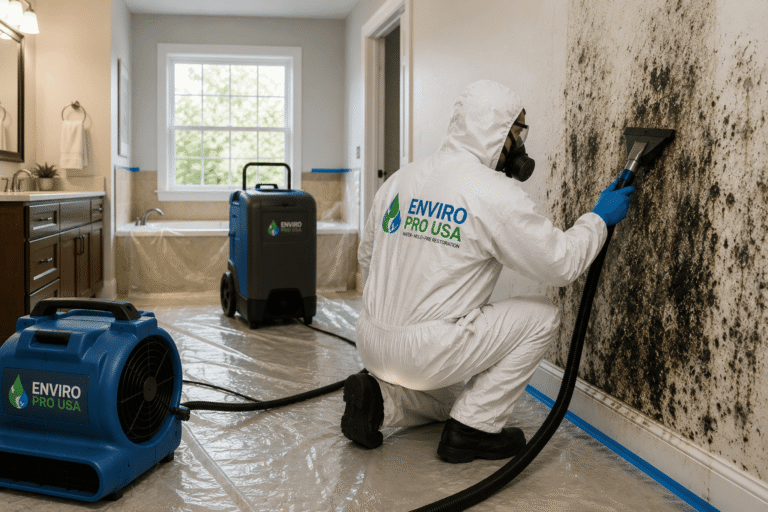
Mold growth is often connected to an unresolved moisture source. It may appear around windows, baseboards, cabinets, ceilings, air-conditioning vents, or areas affected by previous water damage.
Cleaning visible mold without addressing the moisture problem may allow the growth to return.
6. An Unexpected Increase in Your Water Bill
A higher-than-normal water bill may indicate a hidden plumbing leak. Leaks can develop behind walls, beneath concrete slabs, under sinks, or around appliances.
A professional inspection can help determine whether water is escaping into concealed areas of the property.
7. Soft or Sagging Building Materials
Drywall, ceilings, flooring, or cabinets that feel soft, spongy, or unstable may have absorbed water.
Sagging ceilings should be treated seriously because accumulated water can make the material heavy and unsafe.
What Causes Hidden Water Damage?
Hidden water damage may be caused by several common property problems, including:
- Burst or leaking pipes
- Roof and window leaks
- Washing machine or dishwasher overflows
- Air-conditioning drain line leaks
- Water heater failures
- Toilet and plumbing backups
- Storm and hurricane damage
- Incomplete drying after previous flooding
Why Fast Water Damage Restoration Matters
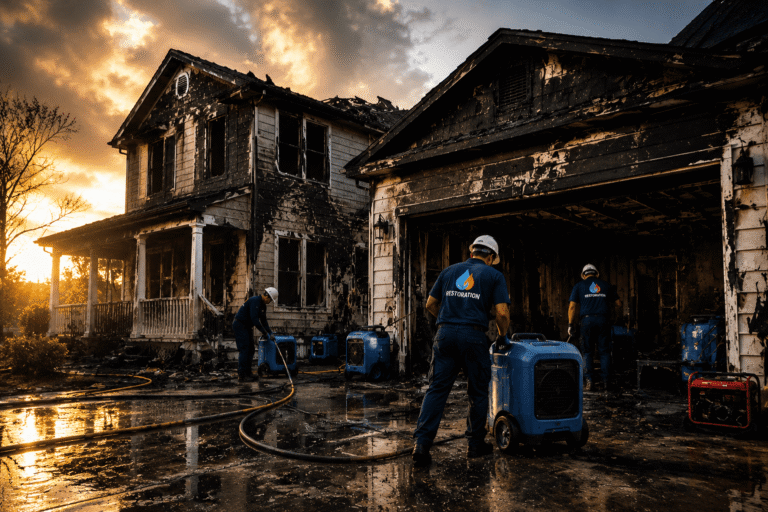
Water can spread through porous materials and enter areas that are difficult to see. Delaying restoration may lead to additional damage such as:
- Weakening of drywall and flooring
- Damage to cabinets and furniture
- Persistent odors
- Mold growth
- Damage to insulation
- Electrical and safety concerns
- Higher repair costs
How Professional Water Damage Restoration Works
A professional restoration process may include:
- Inspection and moisture assessment
- Identification of the water source
- Emergency water extraction
- Structural drying and dehumidification
- Moisture monitoring
- Cleaning and sanitation
- Repair and restoration of damaged materials
Contact EnviroPro USA
EnviroPro USA provides professional
water damage restoration
for homes, commercial properties, and condominiums.
Our team offers water extraction, structural drying, moisture detection, cleanup, and property restoration.
For immediate assistance, call
(888) 555-2477
or
Share this article: